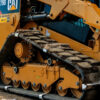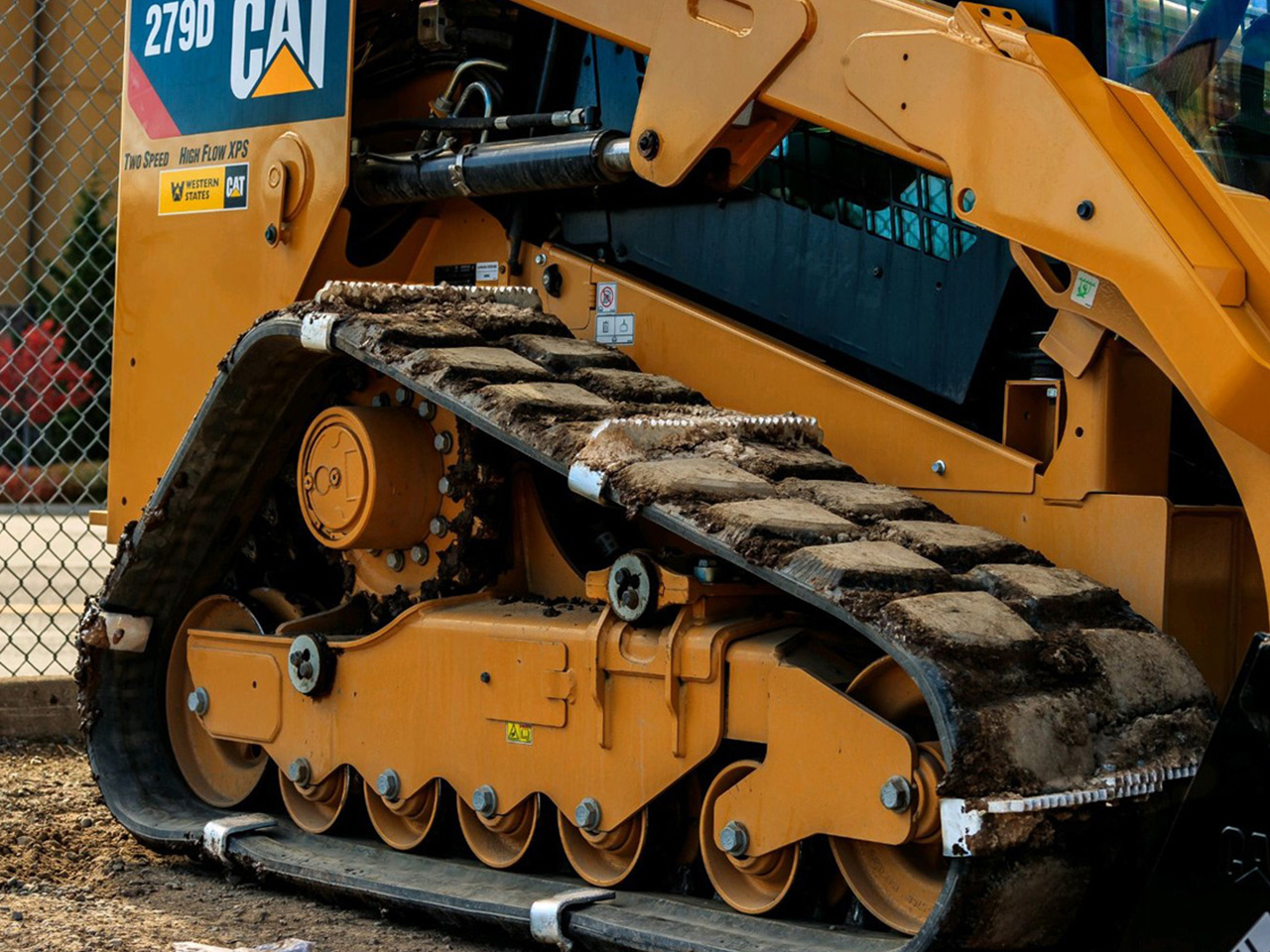
Rubber tracks are a great fit for a lot of jobs. They’re kind to finished surfaces, they’re quieter, and they suit compact equipment that moves between sites. When the ground gets tough, though, rubber tracks can struggle to hold on. Wet clay, loose material, slopes and uneven ground all make it harder to keep the machine where you want it.
Operators often ask the same question: how do I get more grip without changing the machine for good? RubberGrip is TrackGrip’s answer.
Designed specifically for rubber tracks
RubberGrip isn’t a steel-track product adapted to fit. It’s designed specifically for rubber-tracked equipment. It gives operators an extra traction option for the days when the ground is working against them.
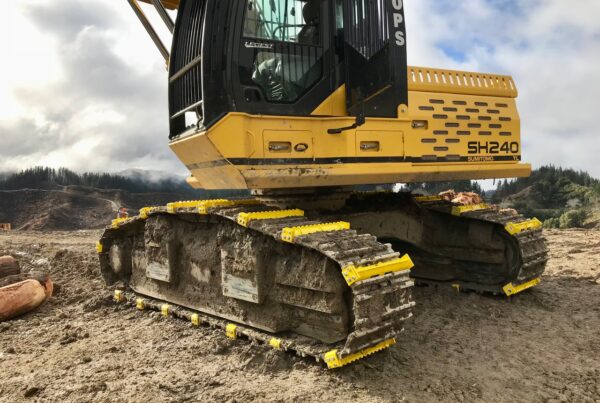
It’s there to improve grip and stability on demanding terrain. That could be uneven ground, a slippery surface or a site that changes with the weather. The goal is simple: keep your equipment moving when it matters most.
What the install looks like
We filmed a RubberGrip install from start to finish so you can see exactly what’s involved. Here’s the process in brief:
- Line up each grip with the track. Every RubberGrip sits in position on the rubber track.
- Bolt it on. Each grip is secured with bolts. You only need standard hand and power tools, the kind most crews already carry.
- Get back to work. There’s no welding, no drilling and no permanent modification to the machine.
That last point matters. Your machine stays as it is. You aren’t cutting into the track or committing to a setup you can’t undo. That protects your equipment, and it keeps your options open if you move the machine to a different job.
Take them off when you don’t need them
Conditions change. A site that’s greasy after a week of rain can be firm again a fortnight later. When the ground improves, RubberGrip comes off just as easily as it went on.
You only run the extra traction when the job calls for it, and you put it back on when the weather turns again. For contractors working through changing seasons, that flexibility is a big part of the appeal.
Why traction on rubber tracks matters
Losing grip isn’t just frustrating. When a machine slips or slides, the operator slows down, works around the problem or waits for better conditions. Every one of those costs time on a schedule that’s usually already tight.
TrackGrip was built around the idea that downtime is costly. Our customers work in agriculture, construction, forestry and mining, and they work their sites hard. RubberGrip brings that same thinking to compact and rubber-tracked machines: more traction and stability when you need it, without a permanent change to your equipment.
Is RubberGrip right for your machine?
RubberGrip could suit you if:
- You run rubber-tracked equipment on sites where ground conditions vary.
- You lose time to slipping on slopes, wet ground or uneven surfaces.
- You want extra traction without welding or drilling.
- You need a solution you can take off when conditions improve.
Find out more
Watch the full install video and see how RubberGrip could help your equipment perform. To check fitment for your machine, talk to your local TrackGrip dealer or visit trackgrip.com.